
fixed or
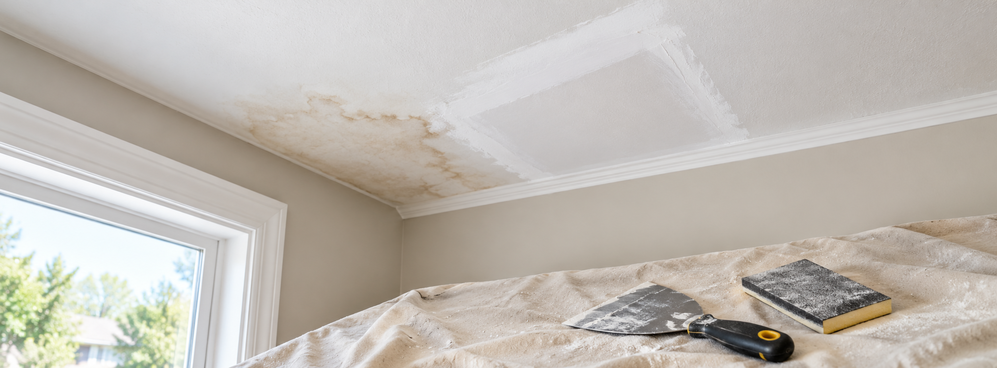
The first step with water damaged drywall is to stop the water source and make sure the area is safe, then let everything dry fully before any repair begins. Painting or patching over wet drywall traps moisture and usually leads to peeling, staining, and mold. Once the source is fixed and the wall is completely dry, damaged sections can be cut out, replaced, finished, primed, and painted.
Quick Summary
Stop the water source before doing anything else
Safety comes first if the ceiling is sagging or near electrical fixtures
Drywall must dry completely before repair, which can take days
Painting over a wet or stained area almost always fails
Soft, crumbling, or moldy drywall usually needs to be replaced, not patched
Stain-blocking primer is needed even after a proper repair
Drywall repair in Hinsdale, Plainfield, and Burr Ridge follows the same core steps
Table of Contents
Why Water Damaged Drywall Needs Different Handling
First Steps When You Discover Water Damage
Repair or Replace: How to Tell the Difference
What to Avoid With Water Damaged Drywall
Step-by-Step: How Professionals Repair Water Damaged Drywall
Common Mistakes Homeowners Make
Practical Tips for Preventing a Repeat
Frequently Asked Questions
Why Water Damaged Drywall Needs Different Handling
A normal crack or dent is a cosmetic problem. Water damage is different because it changes the material itself. Drywall is made of gypsum between paper layers, and when it absorbs water, it softens, swells, and loses strength. Left damp, it can also grow mold within a couple of days.
That is why the order of steps matters so much. Many homeowners notice a brown stain, grab a can of paint, and cover it. The stain often returns within weeks because the cause was never addressed. Fixing water damage correctly means dealing with the source, the moisture, and the surface in that order.
Did You Know?
Mold can begin growing on damp building materials within 24 to 48 hours, according to guidance from the U.S. Environmental Protection Agency, which is why drying out a wet wall quickly matters just as much as repairing it.
First Steps When You Discover Water Damage
Start by stopping the source. That might mean shutting off a supply valve for a leaking pipe, covering a roof leak temporarily, or addressing a failed appliance hose. Nothing else you do will hold if water is still getting in.
Next, check for safety. A ceiling that bulges or sags can collapse, and water near light fixtures or outlets is an electrical hazard. If you see either, keep people out of the area and consider turning off power to that circuit. Large leaks, sewage, or anything involving significant mold should be handled by a qualified plumber or remediation company before any painter or drywall work begins.
Then focus on drying. Open windows when weather allows, run fans, and use a dehumidifier. Drying can take several days, and a wall that feels dry on the surface may still hold moisture inside.
Repair or Replace: How to Tell the Difference
Light Staining Only
If the drywall is firm, flat, and fully dry, and you only see a faint stain, it can often be sealed with a stain blocking primer, then repainted. This applies to small, old leaks that have clearly stopped.
Bubbling, Peeling, or Bulging Paint
These signs mean moisture got behind the surface. The area needs to be dried, scraped back, and checked. If the drywall underneath is still firm, it can often be repaired in place.
Soft, Crumbling, or Sagging Drywall
Once drywall loses its strength, patching over it will not hold. The damaged section needs to be cut out and replaced with new drywall, then taped, finished, and sanded smooth.
Visible Mold or Persistent Odor
Mold means the problem goes beyond cosmetics. The affected material should be removed and the moisture source resolved first. Larger areas call for a professional mold assessment before repairs.
What to Avoid With Water Damaged Drywall
Avoid painting over a damp wall or a stain with ordinary paint
Avoid patching before the source of the water is fixed
Avoid skipping stain-blocking primer, since stains bleed through regular paint
Avoid covering soft or moldy drywall instead of removing it
Avoid rushing the drying time because a wall feels dry to the touch
Step-by-Step: How Professionals Repair Water Damaged Drywall
Confirm the water source is fixed and the area is safe to work in
Let the wall dry completely, using fans or a dehumidifier when needed
Cut out and remove any soft, swollen, or damaged drywall
Install new drywall to fit the opening and secure it to the framing
Tape the seams and apply joint compound in thin layers, letting each dry fully
Sand smooth and check the surface under raking light
Apply a stain-blocking primer to the repaired area and any old stained surface
Paint with matching color and sheen so the repair blends with the surrounding wall
Common Mistakes Homeowners Make
Painting over a water stain without finding out whether the leak is still active
Skipping the full drying time and sealing moisture inside the wall
Using a thin skim of compound to hide swollen or crumbling drywall
Forgetting to prime, then watching the stain return through the paint
Repairing the wall but never fixing the plumbing, roof, or window issue behind it
Practical Tips for Preventing a Repeat
Check ceilings below bathrooms and above kitchens every few months for early staining
Keep gutters and downspouts clear so water moves away from the house
Look after caulk around tubs, showers, and windows, since small gaps let water in
Take photos of stains when you first notice them so you can tell if they are growing
Ask your painter to check any previous repair areas during the estimate walkthrough
Water damage often shows up when homeowners are already planning a repaint, which is a good moment to get the walls properly assessed. If you are not sure whether a wall needs repair first, this guide on when to fix drywall before you paint walks through what to look for. It also helps to know why proper drywall prep matters before painting, since prep quality decides whether a repair stays invisible. Homeowners also working with a contractor may want to review why licensed and insured painters matter before anyone starts opening up walls.
Frequently Asked Questions
Can you paint over a water stain on drywall?
Only after the leak is fixed and the drywall is completely dry. The stain should be sealed with a stain blocking primer first, because regular paint alone usually lets the stain show through again.How long does drywall take to dry after a leak?
It depends on how wet it got and the conditions in the home, but it often takes several days. A wall can feel dry on the surface while still holding moisture inside, so it is better to wait than to rush.Does water-damaged drywall always need to be replaced?
No. Drywall that stays firm and flat after drying can often be repaired. Sections that are soft, crumbling, sagging, or moldy usually need to be cut out and replaced.Why does a water stain keep coming back after painting?
Usually because the moisture source was not fixed, or the stain was not sealed with a blocking primer. Either one allows the discoloration to bleed back through.Who should I call first for a water leak, a plumber or a painter?
A plumber or the right specialist should handle the source of the leak first. Drywall repair and painting come after the area is dry and the problem is resolved.
Conclusion
Water damaged drywall is not a paint problem until the source is fixed and the wall is completely dry. Handling things in the right order saves you from repeat stains, peeling, and mold. If you are dealing with a damaged wall or ceiling in Hinsdale, Plainfield, Burr Ridge, or Naperville, ProVision Painting’s drywall repair services can assess the damage and handle the repair and repaint together. Get in touch today to schedule your assessment.