
Quick Answer:
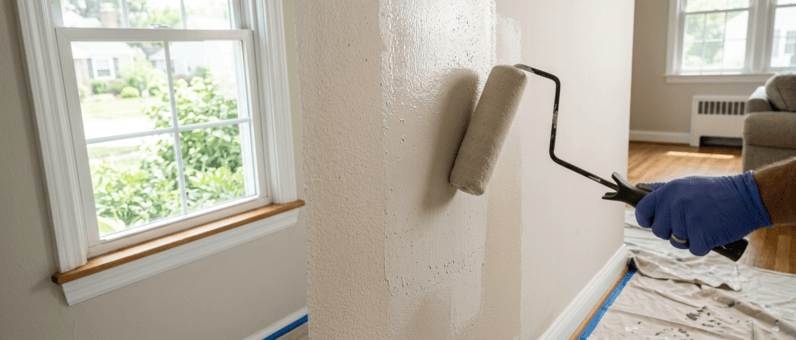
Most whole-house interior painting projects need two coats of paint for proper, even coverage, regardless of color. A single coat rarely hides the previous color completely or provides long-term durability, while darker colors, significant color changes, or stain-prone surfaces sometimes require a third coat. A free painting estimate in Naperville should always specify the number of coats included, since this directly affects both cost and final quality.
Quick Summary
Two coats is the standard recommendation for most interior painting projects
A single coat rarely provides full, even coverage or lasting durability
Dramatic color changes, like going from dark to light, often need a third coat
Primer counts separately from topcoats and is essential for proper adhesion
Darker, richer colors sometimes require additional coats for full saturation
Always confirm coat count in writing before comparing painting contractor estimates
Cutting corners on coats is one of the most common ways low estimates fall short
Table of Contents
Why Coat Count Affects Both Cost and Quality
The Standard Recommendation and Why It Exists
When a Third Coat Becomes Necessary
What to Avoid When Evaluating Coat Count
Step-by-Step: Confirming Coat Count in Your Estimate
Common Mistakes Homeowners Make
Practical Tips for Getting Full, Even Coverage
Frequently Asked Questions
Why Coat Count Affects Both Cost and Quality
The number of coats included in a painting project is one of the biggest hidden factors separating a low estimate from an accurate one. More coats mean more labor time and more material, which directly affects price. This is exactly why two homeowners can receive wildly different quotes for seemingly the same project; one contractor may be planning two full coats, while another is quoting a single coat with touch-ups only where needed.
Coat count also directly affects how the finished paint job looks and performs. A single coat often leaves visible roller marks, uneven sheen, or patches where the previous color shows through slightly, especially under certain lighting. Two coats create a more uniform, opaque finish that holds up better to daily wear and cleaning over time.
Did You Know?
Paint manufacturers typically design their formulas assuming a two-coat application for full opacity and durability, which means a single-coat job, even with a high-quality paint, often falls short of the coverage and longevity the product was actually engineered to deliver.
The Standard Recommendation and Why It Exists
Two coats has become the industry standard for interior painting for good reason. The first coat establishes a base layer and begins building opacity, while the second coat evens out any inconsistencies, fills in thin spots, and creates the uniform sheen and color depth homeowners expect from a professional finish.
This standard applies regardless of whether you're repainting the same color or making a modest color change. Even painting a similar shade over an existing wall benefits from two coats, since a single coat rarely achieves the kind of flawless, camera-ready finish most homeowners are looking for from a complete home painting project.
When a Third Coat Becomes Necessary
Certain situations call for more than the standard two coats to achieve proper coverage. Dramatic color changes, particularly going from a dark wall color to a much lighter one, often require a third coat since lighter colors have less natural hiding power and struggle to fully cover a darker base in just two applications.
Deep, saturated colors like navy, charcoal, or forest green sometimes need an additional coat as well, since achieving full richness and even saturation in these tones can require more layers than a standard neutral. Stain-prone surfaces, areas with water damage, smoke residue, or marker stains, may also need an extra coat, sometimes combined with a specialized stain-blocking primer, to fully prevent the underlying issue from bleeding through.
What to Avoid When Evaluating Coat Count
Avoid accepting a painting contractor's free estimate near you that doesn't specify the number of coats included
Avoid assuming a single coat will be sufficient for a significant color change without asking directly
Avoid choosing the lowest bid without confirming it includes the same coat count as competing estimates
Avoid skipping primer when changing colors dramatically, since this often leads to needing even more topcoats
Avoid assuming all paint brands perform identically with the same number of coats, since coverage varies by product line
Step-by-Step: Confirming Coat Count in Your Estimate
Ask directly how many coats are included in your free house painting quote before comparing contractors
Confirm whether the primer is included separately or counted as one of the coats, since this distinction matters significantly
Mention any planned color changes upfront, especially dramatic ones, so your contractor can account for potential additional coats
Get the coat count detail in writing as part of your itemized estimate, not just a verbal confirmation
Ask what happens if more coats are needed than originally estimated once work begins
Compare estimates based on equivalent coat counts rather than price alone
Common Mistakes Homeowners Make
Comparing estimates purely by price without confirming they include the same number of coats
Assuming a single coat will be enough for a dramatic color change without asking a professional
Not accounting for primer as a separate, necessary step when changing colors significantly
Choosing a low bid that turns out to only include one coat, then being surprised by upcharges for a second
Overlooking how paint quality and coat count work together to determine the final result
Practical Tips for Getting Full, Even Coverage
Always ask your contractor directly how many coats are planned as part of your free painting estimate in Naperville
If you're changing colors dramatically, mention it during your walkthrough so the estimate accurately reflects the extra coat likely needed
Choose a reputable paint line designed for proper opacity in two coats, since cheaper products sometimes require more coats to achieve the same result
If your home has sun-faded areas or inconsistent prior coverage, ask whether those specific spots might need an additional coat to blend seamlessly with the rest of the wall
If you're planning a broader whole-house project and want a clear sense of what to expect beyond just coat count, it's worth reading through how open-concept spaces require a cohesive color strategy, since connected rooms often benefit from consistent coverage and coat count throughout to maintain a uniform look. And if you're drawn to a richer, more saturated shade for an accent space, these accent wall color ideas are a good reference point, since many of these deeper tones are exactly the kind that often benefit from a third coat for full richness.
Frequently Asked Questions
Is two coats always enough for interior painting?
In most cases, yes, two coats provides full, even coverage and good durability. Dramatic color changes, very dark or saturated colors, and stain-prone surfaces are the main exceptions that may require a third coat.Does primer count as one of the two coats?
No, primer is a separate step from topcoats. "Two coats" typically refers to two full layers of your chosen paint color, applied after any necessary primer.Why do some estimates only include one coat?
Some lower-cost estimates reduce coat count to offer a cheaper price upfront, which often results in less even coverage and a finish that doesn't hold up as well over time. It's important to confirm coat count when comparing quotes.Does a more expensive paint brand mean I need fewer coats?
Premium paint lines are often formulated for better coverage, which can sometimes reduce the need for a third coat in situations that would otherwise require one, though two coats remains the standard recommendation regardless of brand.How much does an extra coat typically add to the cost of a project?
It varies by project size and contractor, but an additional coat generally adds to both material and labor cost, which is why it's worth discussing upfront if you know you're planning a dramatic color change.
Conclusion
Coat count plays a bigger role in your painting project's final quality and cost than many homeowners realize. Two coats remains the standard for most interior projects, with a third coat sometimes necessary for dramatic color changes or deeply saturated shades. Always confirm coat count clearly before comparing estimates, so you're evaluating quotes on equal footing. If you're planning your next project and want a clear, accurate estimate that spells out exactly what's included, ProVision Painting is happy to walk you through the details. Reach out today for a free estimate.